National Gardening Day on 14th April is a timely reminder of something many older Australians have always known: a garden is never just a garden. It is a place of calm, purpose, memory and connection. Whether it is a flower bed in bloom, a vegetable patch, a shady path or simply a sunny seat among the greenery, outdoor spaces can have a powerful impact on health and wellbeing. National Gardening Day is observed each year on 14th April, celebrating the joys and benefits of gardening – and we’re very happy to get on board! .
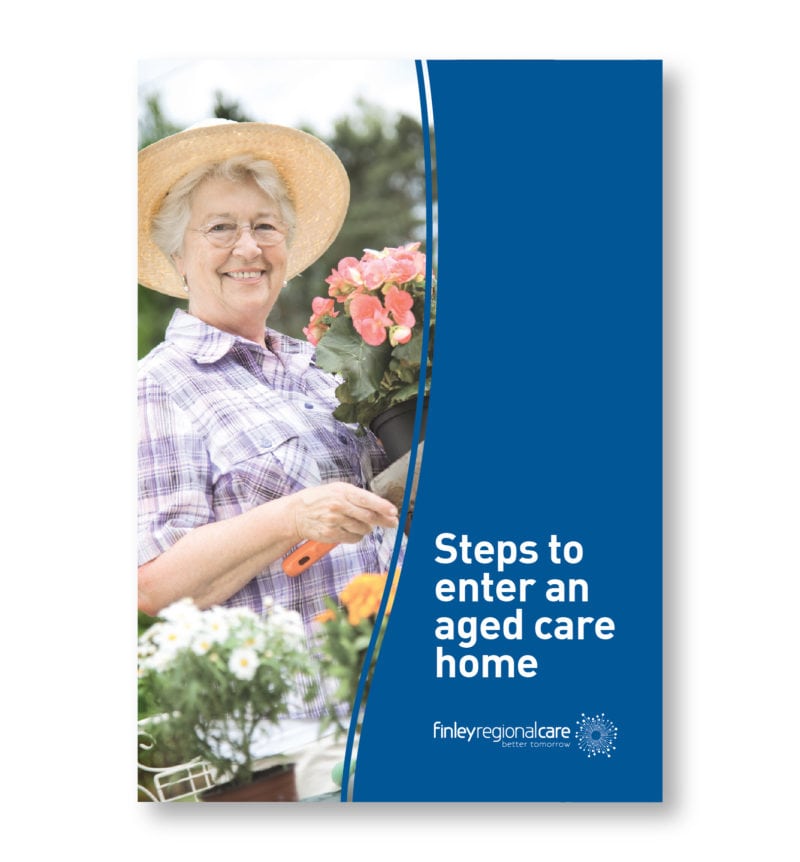
At Finley Regional Care, the gardens are an important part of everyday life. Residents enjoy the beautiful outdoor spaces around the facility, with many spending time walking through the gardens, relaxing outside, or tending to flowers and vegetables in pots. For those who are less mobile, even being able to look out over the gardens and watch the seasons change brings comfort and enjoyment. There’s no doubt about it, residents have long valued these spaces, and that remains just as true today.
There is something deeply familiar and reassuring about being surrounded by nature, especially later in life. For many older people, gardens hold strong emotional meaning. They can bring back memories of family homes, backyard veggie patches, farming life, favourite flowers, or the simple satisfaction of caring for something and watching it grow. That sense of familiarity matters. Moving into residential care can come with feelings of change and loss, so access to gardens and green spaces can help people feel more settled, more at home, and more connected to the life they have always known.
The health benefits are equally important. Spending time outdoors can support physical wellbeing in practical ways. Gentle movement such as walking through the garden, watering plants, trimming flowers or repotting herbs can encourage mobility, flexibility and coordination. For older people, these small everyday actions can be a valuable way to stay active without the pressure of formal exercise. Exposure to natural light also helps the body access vitamin D, which plays an important role in bone health. Gardening also plays a significant role in supporting strength, endurance and motor skills in older adults, while helping to guard against age-related health concerns such as osteoporosis.
Just as importantly, nature can support emotional and mental wellbeing. Gardens are naturally calming places. The sights, sounds and smells of the outdoors can reduce stress and create a sense of peace. For older people, especially those living in care, these moments of calm can make a real difference to daily quality of life, and being in nature can reduce anxiety and depression as well as having restorative mental benefits. And we can’t overstate the value of multi-sensory experiences in the garden. Something as simple as feeling the warmth of the sun, hearing birds in the trees or smelling fresh herbs can be both grounding and uplifting.
Gardens can also help people stay socially connected. Outdoor areas often become places where residents gather, chat, share stories and enjoy each other’s company. Gardening itself can spark conversations too – about what is in bloom, what used to grow at home, or which vegetables are best for the season. At Finley Regional Care, the gardens are not just there to be admired; they are there to be used and enjoyed. That creates opportunities for residents to feel involved, valued and part of a shared community.
This matters even more as people age, because wellbeing is rarely about one thing alone. Good health is not just medical care. It is also dignity, purpose, stimulation, routine, enjoyment and connection. Gardens offer all of these in a simple, accessible way. They invite people outside. They encourage curiosity. They create a gentle rhythm through the seasons. They give people something to nurture. Even for residents living with dementia or reduced mobility, thoughtfully planned outdoor spaces can support independence, movement and a stronger sense of self.
National Gardening Day is also a good opportunity to remember that enjoying the outdoors does not have to mean managing a big backyard or doing heavy work. There are plenty of simple ways older people can keep that connection with nature alive, whether they live independently, receive care at home, or are in residential care.
Practical ways to make the most of the outdoors
A few easy ideas include:
Keep plants close by. A small pot plant, herbs on a windowsill, or flowering plants in a courtyard can bring colour and life into everyday spaces.
Create a view of greenery. If getting outside is difficult, make the most of a room with a garden outlook, or place plants near windows where they can still be seen and enjoyed.
Spend short periods outside regularly. A few minutes in the morning sun, a quiet cup of tea outdoors, or a gentle walk can be enough to lift the mood.
Choose low-maintenance gardening tasks. Watering pots, deadheading flowers, picking herbs or repotting small plants can provide enjoyment without being too physically demanding.
Use raised planters or pots. These make gardening more accessible and reduce the need for bending or kneeling.
Engage the senses. Fragrant herbs, colourful flowers and textured plants can make outdoor spaces more stimulating and enjoyable.
Make it social. Gardening is often more enjoyable when shared, whether that is with family, friends, staff or fellow residents.
At Finley Regional Care, the gardens are much more than a feature of the grounds. They are part of what helps residents feel calm, connected and at home. This National Gardening Day, it’s worth celebrating not only the beauty of gardens, but the important role they play in helping people live well as they age.