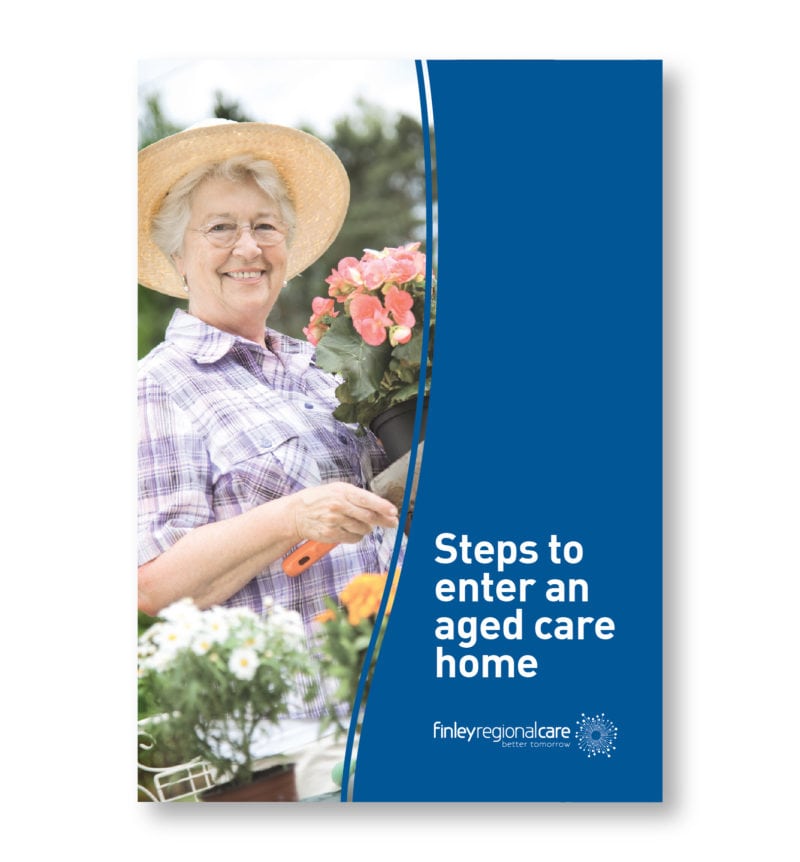

Moving into aged care is a big life transition, and it can bring a mix of emotions for residents and families. There may be relief that extra support is available, sadness about leaving a long-time home, uncertainty about what comes next, and plenty of practical decisions to make along the way.
One of the most common questions families ask is: what should we bring?
The answer is usually a balance between practical essentials and personal comforts. While aged care homes provide support, meals, care and a safe environment, bringing familiar items from home can help make a new room feel warm, personal and reassuring.
This checklist-style guide can help families prepare for the move with less stress and more confidence.
Comfortable everyday clothing
Clothing should be comfortable, practical and easy to manage. It’s helpful to pack enough outfits for regular changes, keeping in mind laundry turnaround times and seasonal weather.
Choose clothing that suits your loved one’s daily routine and preferences. This may include everyday shirts, pants, skirts, dresses, cardigans, jumpers, sleepwear, underwear, socks and suitable footwear. Shoes should be comfortable, supportive and safe for walking.
It’s also worth including a few nicer outfits for special occasions, family visits, celebrations or outings. Many residents still enjoy dressing well and feeling like themselves, so think about the clothing that reflects their personality and style.
Before packing, check whether items need to be labelled. Labelling clothing clearly can help reduce mix-ups and make laundry management easier.
Toiletries and personal care items
Familiar toiletries can make daily routines feel more normal. Bring items your loved one regularly uses, such as a toothbrush, toothpaste, hairbrush or comb, shampoo, conditioner, soap, moisturiser, deodorant, shaving items, tissues, lip balm and any preferred skincare products.
If your loved one has sensitive skin or a favourite product they have used for years, including those items can be comforting. Small details, like the scent of a familiar moisturiser or soap, can help a new environment feel less unfamiliar.
You may also need personal care items such as glasses, hearing aids, dentures, continence products or mobility aids. Speak with the care team before the move so you understand what is supplied and what should be brought from home.
Important documents and information
Having the right documents ready can make the admission process smoother. Families may need to provide identification, Medicare details, pension or concession cards, private health insurance information, medication lists, medical history, allergy information, enduring power of attorney documents, guardianship details, advance care planning documents and emergency contact information.
It can also be helpful to prepare a short personal profile. This does not need to be formal. It might include your loved one’s preferred name, family details, past work, hobbies, favourite foods, daily routines, cultural or spiritual preferences, music they enjoy, and anything that helps them feel calm or comfortable.
These personal details are incredibly useful for staff. They help the care team get to know the person behind the care needs and provide support in a more individual and meaningful way.
Photos and family memories
Photos are one of the simplest and most powerful ways to make a room feel personal. Family portraits, wedding photos, pictures of children and grandchildren, pets, holidays, farms, homes or favourite places can all bring comfort.
Photos can also become conversation starters with staff, visitors and other residents. They help tell the story of a person’s life and remind them of the people and moments that matter most.
Consider creating a small photo album, framed photo collection or memory board. For residents living with memory changes, clearly labelled photos may also help create reassurance and connection.
Favourite items from home
Aged care rooms should feel personal, not generic. Bringing a few treasured items from home can make a meaningful difference. This might include a favourite blanket, quilt, cushion, clock, radio, artwork, ornament, books, knitting basket, craft supplies, small lamp, religious item, special mug or familiar chair if space and safety allow.
The key is to choose items that are meaningful and manageable. Too many belongings can make a room feel cluttered or create safety risks, but the right items can help create warmth and familiarity.
Ask the aged care home what furniture and electrical items are permitted before moving anything large or powered.
Comfort items that support settling in
The first few weeks in aged care can take time. Comfort items can help ease the adjustment.
Think about what your loved one reaches for when they want to relax. Do they enjoy a particular blanket? A favourite book? A radio station? A puzzle book? A soft cardigan? A family recipe book? A familiar pillow?
These items may seem small, but they can provide a sense of continuity. They remind residents that while their address has changed, their identity, preferences and personal history remain important.
Items for activities and interests
A move into aged care doesn’t mean leaving hobbies behind. If your loved one enjoys reading, puzzles, music, craft, gardening, cards, crosswords, knitting, painting or writing letters, consider bringing suitable items.
Activities can help residents stay engaged, connected and interested in daily life. Familiar hobbies can also support confidence during the settling-in period.
If your loved one is unsure about joining group activities at first, having their own familiar interests nearby may help them feel more comfortable.
What not to bring
It’s also helpful to think about what should stay at home. Avoid packing valuables, large amounts of cash, unsafe furniture, loose rugs, excess clutter or items that may be difficult to store.
Electrical items may need to be checked for safety before use, so always ask the aged care home before bringing appliances, heaters, kettles or extension cords.
A good rule is to bring what supports comfort, dignity and personal identity, while avoiding anything that may create risk or overwhelm the space.
Making the room feel like home
A room begins to feel like home when it reflects the person living in it. It might be a familiar bedspread, family photos, favourite colours, a treasured ornament or a chair positioned near the window.
Families can help by setting up the room thoughtfully before or soon after the move. Consider where photos are placed, whether favourite items are easy to reach, and how the space feels when your loved one first walks in.
Most importantly, keep the conversation open. Ask what they would like around them. Their choices matter.
Support for the move
Moving into aged care can feel like a big step, but preparation can make the transition smoother. Practical items help meet daily needs, while personal items help create comfort, connection and belonging.
At Finley Regional Care, we understand that every resident brings a lifetime of memories, routines and preferences with them. Our team is here to support residents and families through the transition and help create a welcoming environment that feels personal and respectful.
If your family is preparing for a move into aged care, contact Finley Regional Care today. Our friendly team can answer your questions, talk through what to bring and help you feel more confident about the next step.
Click here to read more about how to downsize for a move into aged care.